
Why Wine Storage Is Becoming a Strategic Investment Not a Fit-Out Afterthought

Why Wine Storage Is Becoming a Strategic Investment Not a Fit-Out Afterthought

Richard Blunden, Managing Director of Moduflex, gives his take on why the wine world is now seeing storage strategically following his week at the London Wine Fair.

Over the last six years the global storage market has steadily expanded, driven by retail evolution and demand in specialist, high-end sectors such as art and heritage. However, the wine industry is catching up.

For years, wine storage was treated as a practical necessity. Very much a backdrop to the more ‘palatable’ parts of the business - buying, selling, serving and drinking wine. But across hospitality, retail and private collecting, it seems that mindset is changing. Partly because attitudes have shifted - owners and operators are increasingly seeing visible cellar storage as an expression of brand and an opportunity to up-sell, and partly because practical realities now demand it: tighter and more costly floorspace and carbon footprint reduction are just two contributing factors. 

Storage is no longer simply about where bottles sit. As with most product-based retail, it is about asset protection, operational efficiency, sustainability, brand and customer experience. The commercial need to make the industry more accessible and translatable to a wider customer base, beyond the connoisseur class, is also a key driver it would seem. In a market where margins are smaller and consumer expectations higher, infrastructure is becoming part of the strategy. Fortunately, advances in climate‑control and display technology are making this more possible.

For independent merchants and hospitality operators, wine is working capital. Fine wine programmes, premium lists and curated retail ranges represent significant investment. In a market where duty reform and capital tied up in inventory are under scrutiny, avoidable spoilage or inefficient stock handling is no longer a minor operational issue and carries real risk. I am led to believe that even conservative estimates show that typical compounded loss is 3 – 8% from handling and spoilage, 3% transit damage and up to 25% temperature degradation risk (in poor logistics conditions). Together, these represent a significant and often underestimated operational cost.
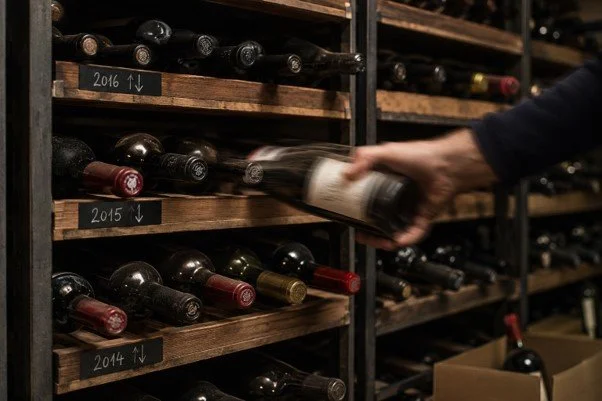
There are examples from across the industry that make you wince - 6,810 wine bottles were destroyed in a single incident in Wisconsin, USA after a wine and bottle storage system failed. The collapse began when one section pulled away, causing connected units to fail in sequence creating a domino-effect failure across the full installation. Using UK hospitality pricing: 6,810 bottles destroyed with say an average bottle value = £9 wholesale, estimated loss: £61,290 direct stock loss but that excludes: labour and clean-up costs, lost sales revenue, insurance excess and operational disruption.

Strategic and quality storage design can directly mitigate risk through better load distribution control, vibration reduction (due to more robust structures and smooth tracks on mobile systems), bay breaks, temperature stability, safe vertical stacking, angled shelving where required and impact resistance.  
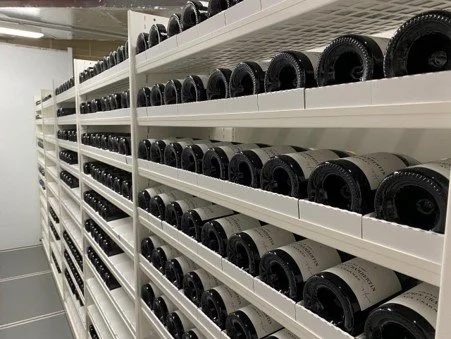
Systems are also increasingly being specified with longevity and accessibility in mind. Operators are looking for systems that improve stock visibility and rotation, maximise usable capacity without compromising bottle integrity, integrate seamlessly with new climate control technologies, future-proof collection storage as portfolios expands, provide robust product protection, support consistent temperature management and integration within broader cold chain logistics and reduce emissions across supply chain, including storage and distribution, to meet regulatory and market expectations. In short, wine storage is becoming part of operational resilience, just as it is across many sectors.

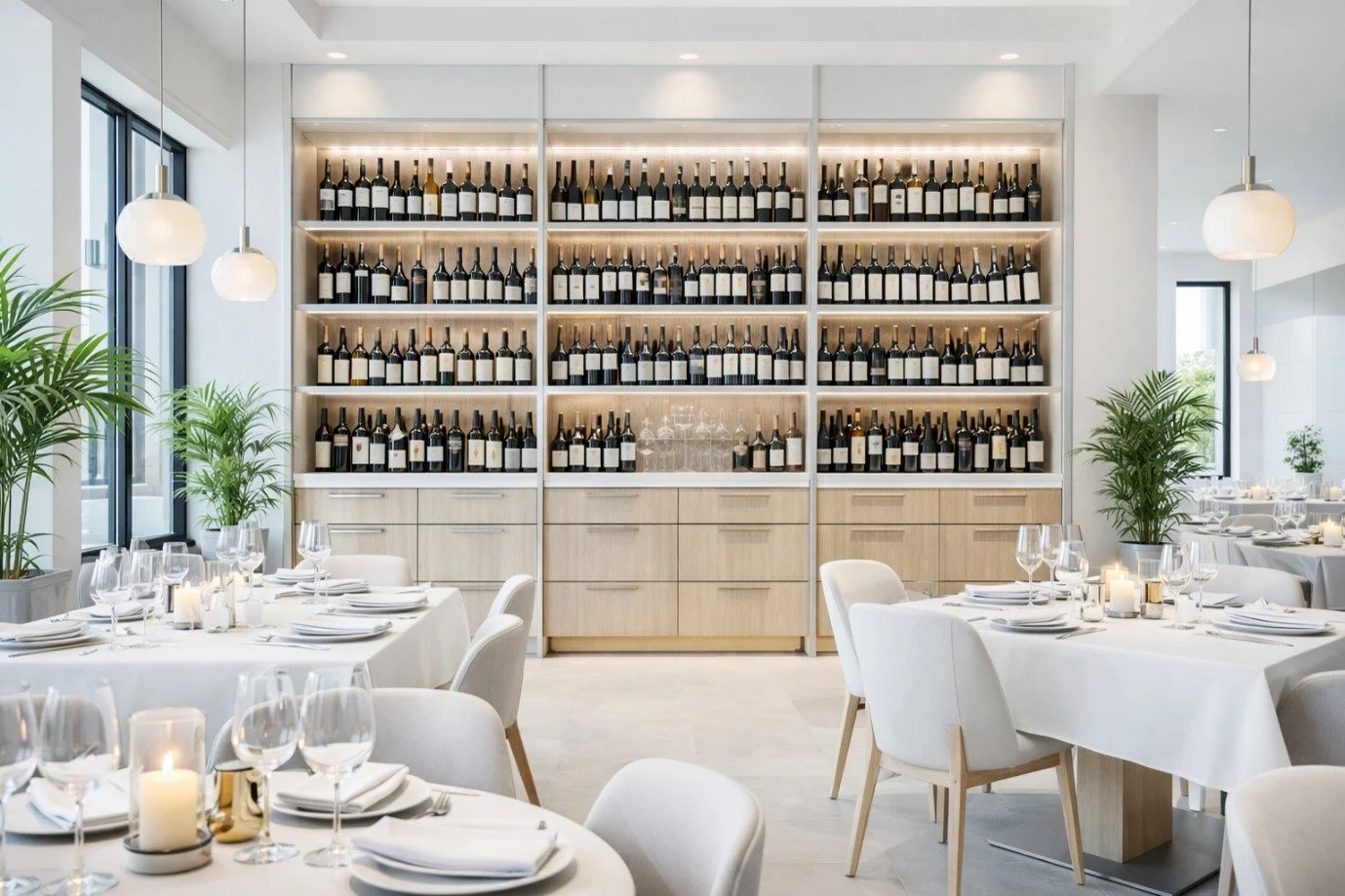
At the same time, front-of-house wine storage is evolving into a powerful brand and revenue driver. Many consumers are drawn to visible authenticity and want a high-end experience. Collections that are curated experiences signal quality, story and identity. A thoughtfully designed wine wall, cellar display or architectural feature can elevate a customer experience and the perceived value, encourage upselling and reinforce a venue’s association with wine expertise. They can differentiate between one seller or venue and another, adding to the exclusivity or craft narrative of their products. Many are also adding educational tasting experiences to their offer, so accessible storage and suitable facilities become a necessity. What was once hidden is now part of the theatre.
Sustainability is also now very much part of the story. The wine sector is rightly focused on vineyard practices, packaging and distribution. The market for organic and biodynamic wine is expanding rapidly as consumers and producers prioritise sustainability, a desire to limit pesticide exposure and support regenerative practices that protect soil and food quality, increase traceability and premiumisation.

But sustainability does not end with production. There is growing scrutiny around all materials, supply chains and product lifespan. Imported storage systems with long transport routes and short replacement cycles are increasingly at odds with hospitality groups’ ESG commitments alone. We are seeing this across many sectors. UK-based manufacturing, responsible material sourcing and long-life modular design offer an alternative, reducing transport emissions while creating systems designed to last decades, not years. Infrastructure choices form part of a venue’s overall environmental footprint. Storage is no exception.

UK‑produced wine is also rapidly gaining market share, both in quality and volume. When paired with organic or biodynamic credentials it creates a powerful narrative of provenance, care and environmental stewardship that appeals to commercial buyers and end consumers alike. Couple this with an equally as strong sustainable supply chain narrative where back and front of house storage is also UK designed and manufactured with greener or more sustainable materials and reduced transport impact, and you have another powerful narrative. It’s a combination that supports premium pricing, enhances shelf and menu differentiation, and makes sustainably stored UK wines especially attractive to retailers, restaurants and collectors seeking traceable, climate‑credible provenance. This presents a clear opportunity for storage manufacturers who can align operational performance with environmental responsibility.

Parallel to commercial demand, private clients are investing more seriously in bespoke storage solutions. As interest in fine wine grows and homes become multi-functional lifestyle and entertainment spaces, collectors are seeking cellars that combine performance, design and craftsmanship. The modern cellar is less about ostentation and more about intelligent, innovative and quality engineering, premium materials and beautiful design, balancing display and lifestyle with preservation and personal values.
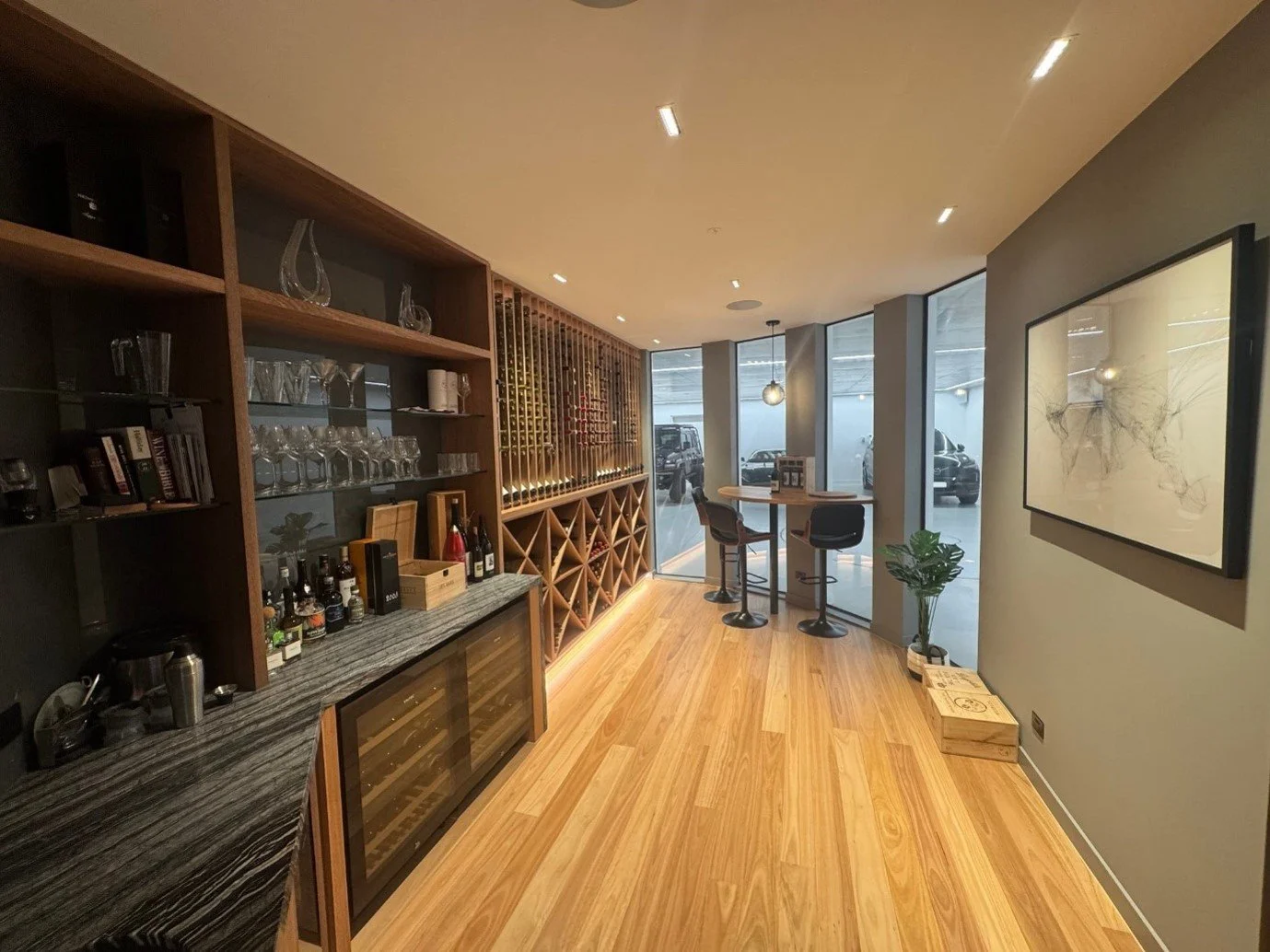
In a sector built on artisan, quality, nature and sustainability, it makes sense that the structures housing and displaying wine should reflect those same values. High-end front-of-house storage demands climate control, design elegance and usability. Well‑organised, climate-controlled and robust back-of-house storage improves inventory accuracy, supports dynamic pricing, and enables more confident purchasing of premium or age‑worthy bottles that appreciate over time, ensuring wines are served or sold in optimal condition, strengthening reputation and repeat sales.

As the wine industry navigates shifting consumption patterns, economic pressure and rising sustainability expectations, every element of the ecosystem is under review.  Whether it’s for a volume buyer, boutique retailer, restaurant or a private cellar, those who can deliver the integrated solution of storage + climate + design + sustainability, are providing valuable strategic solutions to several industry issues. Storage may once have been invisible, but it is now a strategic component of the wine ecosystem. For merchants, operators and collectors, investing in quality and sustainable storage is a practical, commercially sound and ethical choice. If you sell, serve or collect wine you need treat storage strategically, and we are here to help.
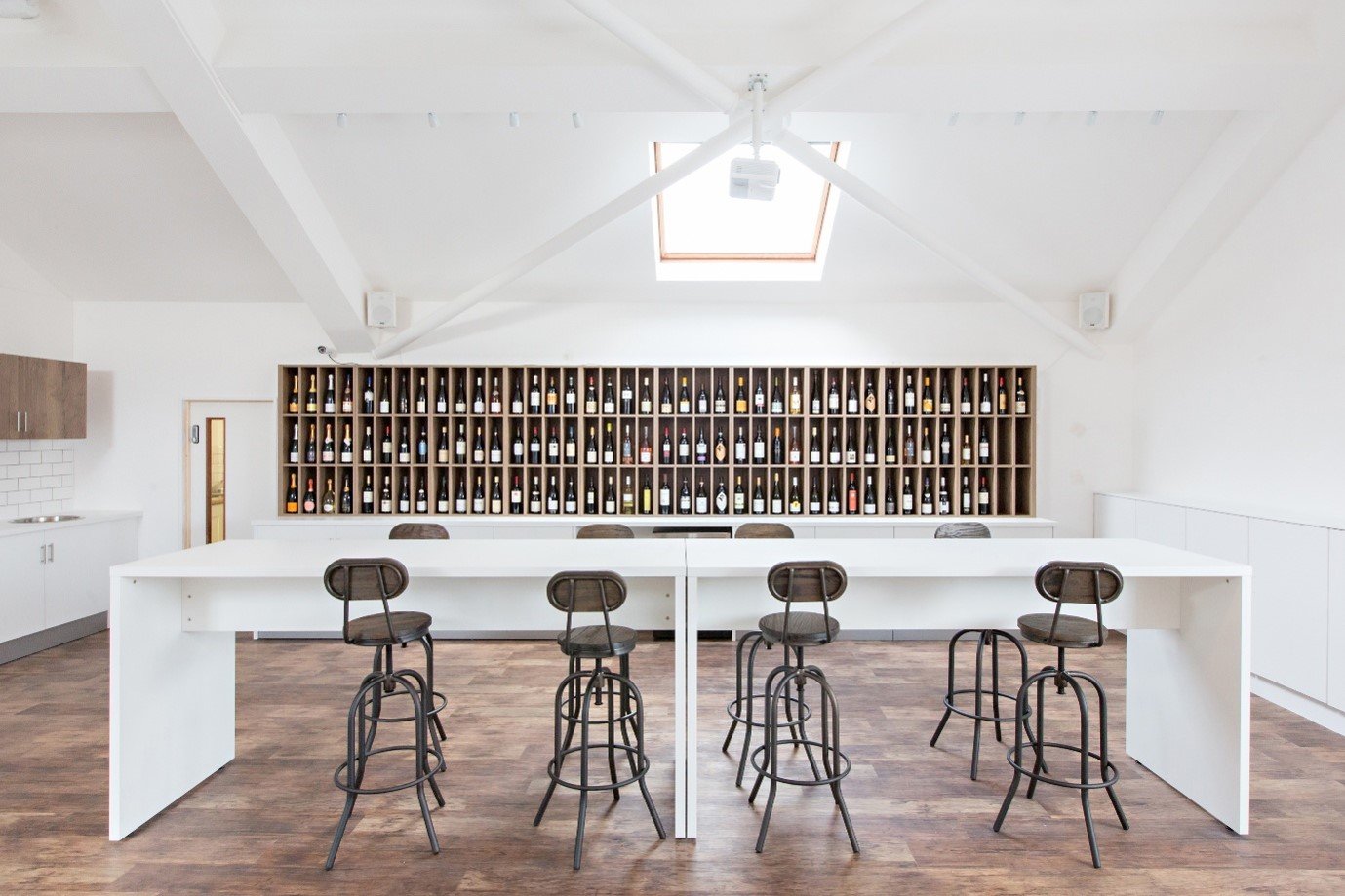
I’ve had some success in this space, working with partners to deliver to some prestigious end users.  We can’t help with soil health and vine resilience, market access, trade volatility or tariffs. But Moduflex is ready to partner with both trade and direct clients to deliver bespoke, quality storage that can either add to front-of-house experience or the rigors of back-of-house demands. We can integrate climate control technologies and provide solutions to protect investment, elevate brand and satisfy commercial demands, consumer expectations, sustainability ambitions and insurance and regulatory requirements.

Click below to download our new Wine Storage brochure.

Richard

Built to Last: Moduflex and Manufacturing After a Turbulent ‘25 - The good, the bad and the lumpy…

Over the last six years the global storage market has steadily expanded, driven by retail evolution, e-commerce fulfilment growth and demand in specialist, high-end sectors such as art, heritage and wine storage. Yet the upward trend has been a little lumpy. 

The UK manufacturing base has faced double-digit increases in input costs including steel, timber and coatings, while factory energy bills have soared and supply chains remain tightly stretched. On the metals side, UK domestic production has been disrupted by high electricity costs and international competition; one recent analysis flagged energy-intensive manufacturing in the UK as under serious pressure. 

The core materials for our sector including timber panels, specialist finishes and electronics for in climate-controlled storage, have all seen input-cost inflation; and given our reliance on steel, we are paying very close attention to the UK steel strategy and potential supply bottlenecks. 

Our workforce, though skilled, has also come under pressure both in terms of recruitment and retention of experienced fabricators and welders, with migration of workers and competition for skills on larger projects such as Hinkley Point. 

But from adversity springs opportunity: In my opinion, firms that have adapted their design, sourcing, sustainability and delivery models, are now in a stronger position. At Moduflex I believe we have and continue to do just that.  We are also working market challenges into our planning and business models to ensure we are mitigating impact through preparedness. There are other factors that also provide me reassurance and determination to optimise opportunity.

 Leading the Way in Sustainable Manufacturing and Public Sector Partnerships

Across the UK, the landscape for government and public sector procurement has been changing rapidly. Legislation and policies around net zero, sustainability and social value are reshaping how tenders are evaluated and delivered, with some contracts now seeing a 20% or more weighting around sustainability, carbon emissions or net-zero ambitions, in addition to social value and corporate responsibility.  Procurement teams are not only looking for quality and cost-effectiveness, but for measurable environmental performance, community impact and responsible sourcing. As a long-standing UK manufacturer supplying the business-to-business market, we recognise this shift first-hand. Our customers’ needs are evolving, both in what they require from our products and in how they must evidence their own and their supplier’s sustainability commitments.

At Moduflex, we are investing, adapting and innovating to stay ahead of this changing landscape. Our UK-based production operates on up to 100% renewable electricity generated from on-site solar panels. We source our steel from a UK supplier, minimising transport emissions, and it contains 80% recycled content, we have sought to introduce the use of XCarb® green steel, produced from recycled steel using 100% renewable energy too. Our standard range of MFC is now more environmentally conscious, with no new trees being felled to go into the product and is 50% recycled. It is manufactured using biogenic, fossil-fuel free glue. Through investment in precision manufacturing technology, we’ve also significantly reduced waste and all steel and wood by-products are also further recycled or used in biomass heating. Following a full Carbon Reduction Assessment, we are also converting all lighting to LEDs and looking at replacing gas-fired drying ovens with electric infrared models, changes that will reduce our CO₂ emissions by 40% within the next 12 months.

So, I am proud to say that Moduflex has, what I believe to be, good sustainability credentials, and with further improvements to come. For customers doing government and public sector tenders, I feel we are in a strong position as a supplier, and as the requirements of tendering and product specification continue to evolve, we want to work closely with our customers to understand how we can further support their sustainability goals and strengthen their value propositions. Whether in the public or private sector, collaboration is key to creating meaningful, measurable impact and we’re committed to leading that change together.

Import/Export Dynamics have also been changing. Whilst there are increases in global freight costs and additional customs complexities, from an export perspective UK firms have an advantage in that shipping modular assemblies to Europe, the Commonwealth and even further afield is becoming viable as clients pay for faster turnaround and bespoke capability. The last few years has seen an increase in the export of Moduflex products and services as companies look away from far Eastern supply of cheap, low-quality products and look for UK-made quality.

There are also many new market opportunities and verticals to explore, so I want talk about growth horizons. We are looking to expand our proposition to customers in markets and sectors I believe will see further demand, with the right strategy. 

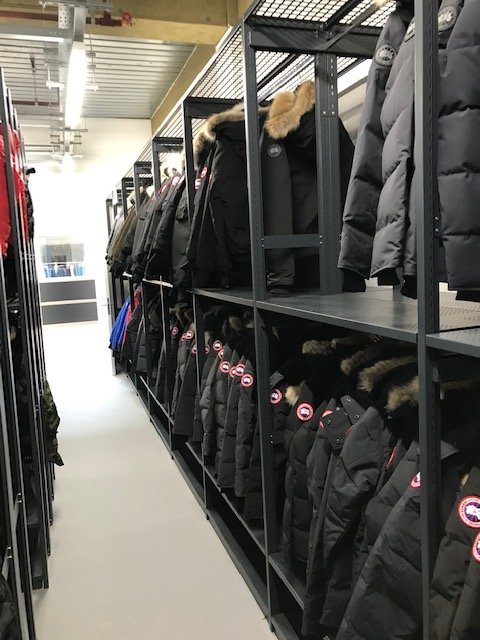
Retail & Experiential Stores: Retail is shifting from just “display” to “experience”, and behind the scenes there is growing demand for flexible back-of-house storage, returns handling, omnichannel fulfilment and modular shelving in premium stores. We can provide both aesthetic front-of-house solutions and effective back-of-house systems, that are more robust and better suited to protecting higher-value garments than those of our low-cost competitors. British made, does mean better quality in this case. So, any of our customers looking to promote back of house systems that protect high-value stock, please get in touch. 

Self-Storage & Micro-Warehousing for E-commerce: Space is a premium so the efficient storage of goods to optimise square footage, coupled with the increase in online retail shopping, means there is significant demand that we have the opportunity to meet. E-Commerce storage and warehouse expansions have been rapid to match the exponential growth of online retail and fulfilment centres. This is driving demand for efficient warehouse shelving solutions, modular shelving systems, quick-install kits and value installs. While margin may be lower per unit, volume and repeatability could drive a new revenue stream. This an opportunity not to miss and something we are keen to develop further with our key customers and loyal partners. We are also noticing a potential change in the way volume goods are transported and displayed, leading to increased need for decking panels and similar products. I would be interested to explore this emerging trend with customers, so please share your thoughts. 

Circular Rental/Refurb Models: Sustainability is no longer optional. Providing bespoke lockers and shelving systems on lease/rental, and offering refurbishment services, positions those companies embracing this model ahead of the curve. There is an opportunity to capture value through lifecycle-service models rather than just one-off sales. Again, I would welcome conversations about opportunities in this space, so get in touch to talk to us about our locker range or to explore development. 

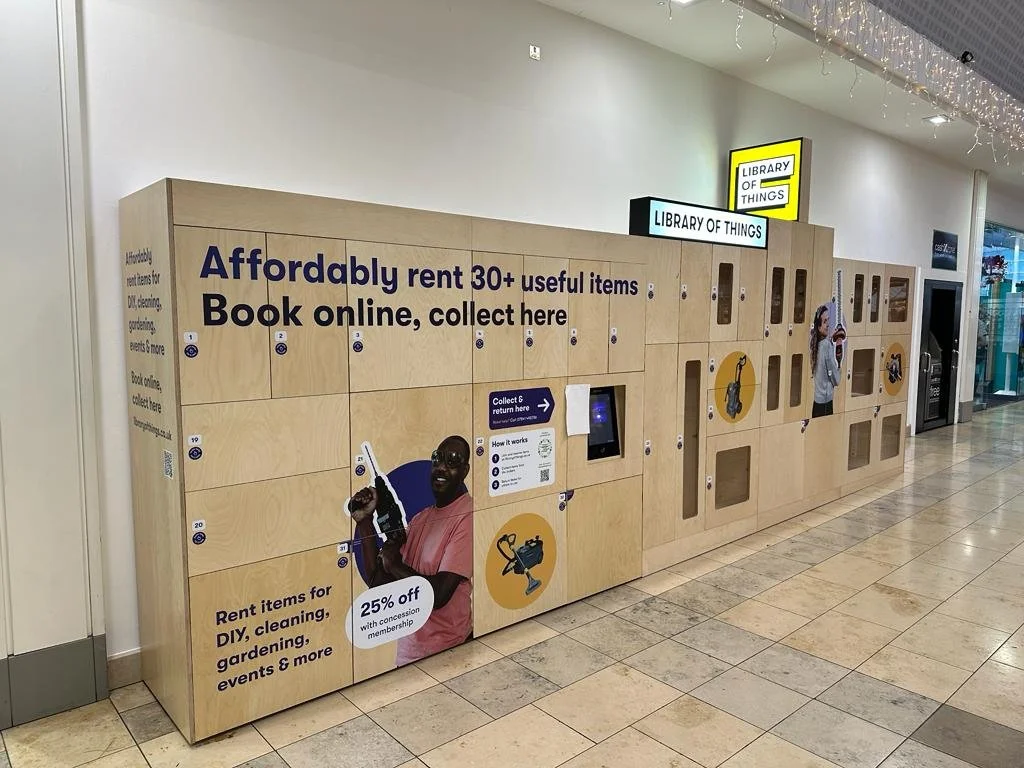
In addition, the growing market for community rental schemes, libraries of ‘things’ and other ‘borrow and return’ businesses models are driving the need for robust lockers and electronic passcode systems. Another product line we have been developing.

Healthcare Facility Growth: Expanding healthcare infrastructure, pharmaceutical and gas bottle storage requirements are creating sustained demand for specialised shelving systems with compliance and security features. Can we help you with solutions to meet your customers more than half-way in this market?

Public sector and military: With a change in Government comes opportunity. Whilst the public purse strings remain tight, we are seeing a little more investment in policing and defence following the Strategic Defence Review, which outlined a move to warfighting readiness. The review set out a commitment to accelerating the adoption of new technologies such as drones, improving kit, equipment and accommodation and overhauling the ‘broken’ procurement system. There is opportunity within this market, which is already translating into orders. We have experience within this space, and our inhouse Design Team can work at speed to adapt previous military spec’ ranges to evolving customer need. 

Exports – Europe / Commonwealth / Global: UK fabrication and modular design are increasingly respected in global markets. By designing for export (light, easy shipping, quick install) we can access new geographies and spread risk beyond the domestic market.

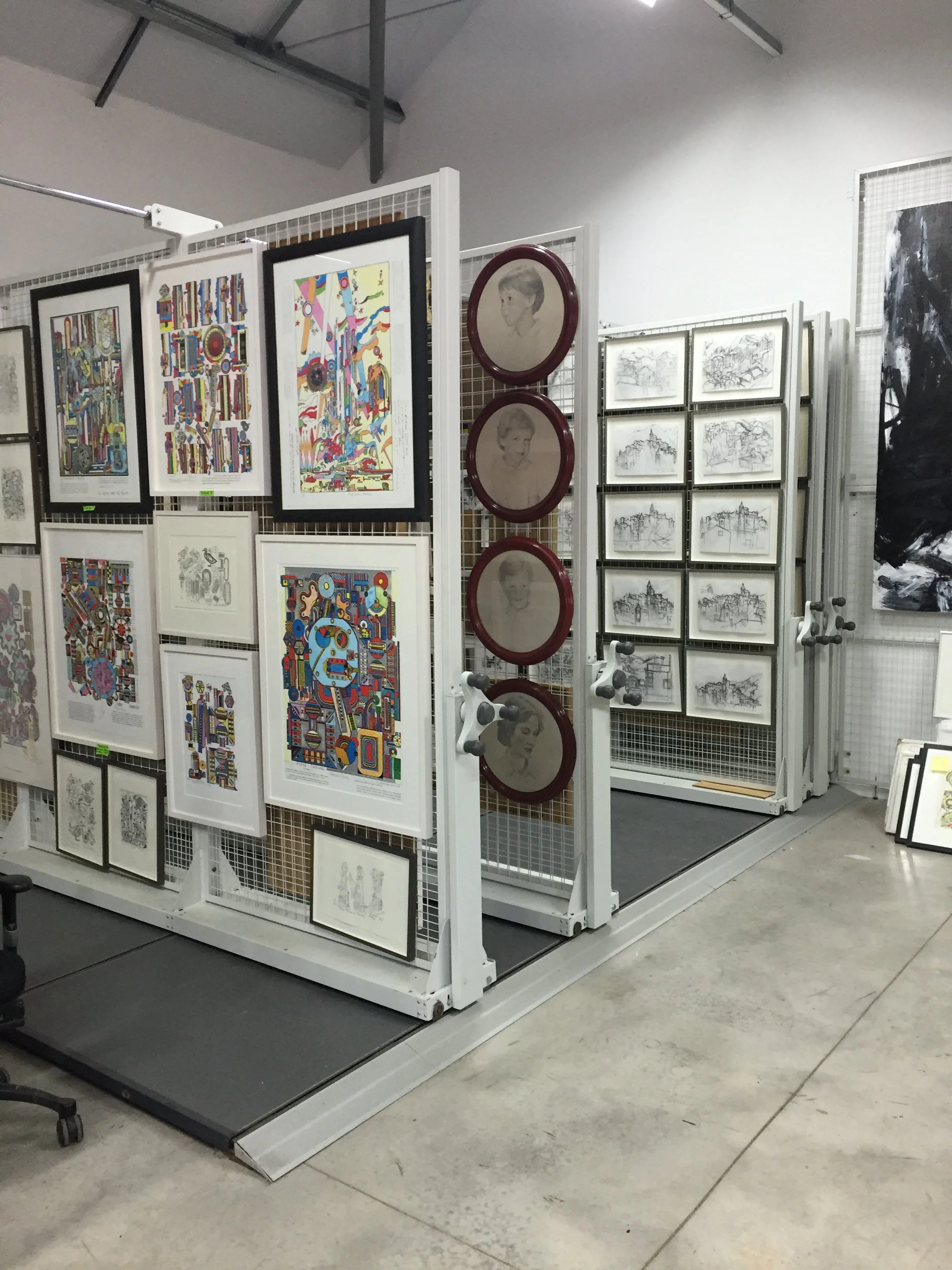
Bespoke and specialised storage for museums and galleries. Customers are demanding precision, climate-controlled racking, modular storage for artefacts, and curated roll-out programmes. Because heritage collections cannot compromise on quality, our UK-based engineering and heritage-aware design give us a distinctive edge in this arena. Similarly in the Art & Private Collections space. High-net-worth clients and institutions want white-glove storage, seamless integration of security, climate‐control and design-aesthetics. Our ability to deliver premium finishes and bespoke layouts is a differentiator.

Wine & Premium Cellars: This is also a growth niche worldwide. Wine storage demands climate control, design elegance and usability. Whether it’s a boutique retailer, restaurant or a private cellar, we can deliver the integrated solution of storage + climate + design, and we’ve had some success in the space working with partners to deliver to some prestigious end users. 

Of course, none of this is free of risk. We all face several on-going headwinds to battle against: Material & energy-cost exposure in the form of steep price swings, high UK electricity tariffs, supply ambiguity. We all still face workforce and skills bottlenecks with welding, metal-fabrication and project management talent in shorter supply, thanks to competition from other sectors. Trade and regulatory uncertainty will also persist, even with current frameworks, shifts in tariff regimes, standards and logistics costs remain real risks for UK exporters. And lastly, but by no means least - concentration risk. A business model overly reliant on a handful of large clients is vulnerable if those contracts don’t renew or budgets shrink.

Forward Look: 2026 and Beyond

So where are the opportunities to work with our customers to combat industry and market challenges together? Looking forward into 2026 and beyond, the narrative is clear: growth will favour those who can design, manufacture and deliver bespoke, sustainable, export-ready storage solutions. The global demand-drivers (heritage, premium, experiential retail, and e-commerce fulfilment) will continue to expand, while supply-chain turbulence persists, and that gives well-positioned UK manufacturers an edge. If we work together, act now to sharpen our modularity, diversify our markets where required (or commit to core ranges in line with exponential demand) and embed circular service models within our customer offer and product ranges, we can not only navigate the next hurdle but proactively forge a way through it. 

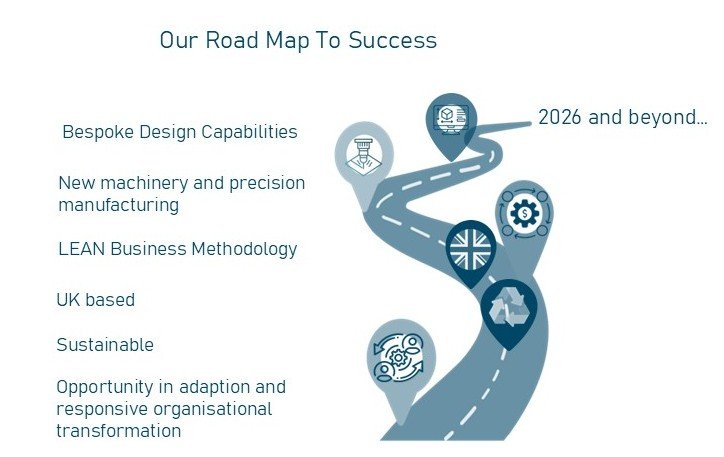
So, in addition to our commitment to support our customers with sustainability ambitions and requirements, what’s our position within the industry – what does Moduflex bring to the table? Well, I believe 2025 proved that our skillset of deep engineering and fabrication expertise and bespoke design capability coupled with our UK based production and proven sustainability credentials, are all strategic advantages that underpin our USP, which we will continue to sharpen and develop for 2026. We can collaborate, iterate and deliver faster than many offshore alternatives and we benefit from UK-based quality assurance standards and, in many cases, heritage client references.

We are also a family-run business with a loyal team at its heart. Many of our core staff have been with us for over 25 years. Their deep knowledge of our industry, organisation and customers ensures exceptional, consistent service and a continuity that’s hard to find elsewhere. Often with an established workforce, there is sometimes stifling of new technologies and embracing new ideas. At Moduflex, we couldn't be further from that, we remain a heritage manufacturer, but we are looking at the future of manufacturing as well. We are proactively horizon scanning and would welcome round table discussions with customers and suppliers to collectively identify risk, opportunities, solutions and collaboration opportunities that are mutually beneficial. 

The pressures of the past few years have tested us all, but they’ve also refined our offering and forced us to become more efficient, more sustainably credible and more creative. If you are looking to increase, diversify or expand your propositions within any of the markets I’ve outlined, or have avenues that need co-creation to fulfil requirement, want assistance to improve tender outcomes or identify joint marketing and PR opportunities, I’d welcome a conversation. 

Let’s explore how UK craftsmanship, engineering precision and sustainability can transform your storage challenge into a strategic advantage. Get in touch with the team today, and let’s get ready for a successful 2026.

Richard

How the Design of a Library Affects Learning

Studies have shown that library design has a significant impact on student learning engagement.

Modern library design features

Key Design Features

Studies show that certain elements of a library design will improve the student learning experience. Some of the main requirements noted by students included:

  • Comfortable and functional furniture

  • Adequate space

  • Study spaces including a mix of individual and group spaces

  • Natural lighting


Technology

The advancement in technology has shifted the design of libraries from a simple space for storing books into a modern centre for learning. The incorporation of IT equipment, Wi-Fi and hot desking is essential to enhance the study experience for students.

Our desking can be fitted with cable trays for easy and tidy incorporation of computers into your library. We work closely with IT services to ensure your library fitout project runs smoothly.

 
Smart lockers for library


Collaborative Spaces

Studies show that collaborative workspaces have a significant impact on learning by allowing students to share ideas and solve problems collectively, increasing engagement.

Agile desking is the ideal solution to incorporate into your library design. We recommend incorporating open-plan spaces with collaborative working tables or bench desks.

Universities are also investing in Smart Lockers to better facilitate hot desking - with laptops and other equipment charged and readily available at student’s convenience. Smart Locker technology links to student RFID cards, for automatic tracking of equipment that is checked in and out. IT staff can also service equipment with minimal disruption.

 
Flexible desking for modern libraries

Breakout spaces for collaborative study

Library design with smart technology

Smart Lockers with built in charging ports


Open Plan Design

A popular trend is to opt for an open-plan library floor which gives a spacious and collaborative feel. Shelving can be raised off the ground to allow more natural light throughout the space.

Library shelving can be utilised to partially divide and define separate areas while still maintaining a sense of openness and connectivity in the study environment.

 
Library furniture and study space solutions


We’re here to help!

Many schools and universities are choosing to undergo refurbishments in 2024 and beyond to transform their libraries into modern learning hubs. As experts in our field, Moduflex are very happy to support these projects and make the process as smooth as possible. Get in touch with us today to kickstart your project!