

Why Wine Storage Is Becoming a Strategic Investment Not a Fit-Out Afterthought
Richard Blunden, Managing Director of Moduflex, gives his take on why the wine world is now seeing storage strategically following his week at the London Wine Fair.
Over the last six years the global storage market has steadily expanded, driven by retail evolution and demand in specialist, high-end sectors such as art and heritage. However, the wine industry is catching up.
For years, wine storage was treated as a practical necessity. Very much a backdrop to the more ‘palatable’ parts of the business - buying, selling, serving and drinking wine. But across hospitality, retail and private collecting, it seems that mindset is changing. Partly because attitudes have shifted - owners and operators are increasingly seeing visible cellar storage as an expression of brand and an opportunity to up-sell, and partly because practical realities now demand it: tighter and more costly floorspace and carbon footprint reduction are just two contributing factors.
Storage is no longer simply about where bottles sit. As with most product-based retail, it is about asset protection, operational efficiency, sustainability, brand and customer experience. The commercial need to make the industry more accessible and translatable to a wider customer base, beyond the connoisseur class, is also a key driver it would seem. In a market where margins are smaller and consumer expectations higher, infrastructure is becoming part of the strategy. Fortunately, advances in climate‑control and display technology are making this more possible.
For independent merchants and hospitality operators, wine is working capital. Fine wine programmes, premium lists and curated retail ranges represent significant investment. In a market where duty reform and capital tied up in inventory are under scrutiny, avoidable spoilage or inefficient stock handling is no longer a minor operational issue and carries real risk. I am led to believe that even conservative estimates show that typical compounded loss is 3 – 8% from handling and spoilage, 3% transit damage and up to 25% temperature degradation risk (in poor logistics conditions). Together, these represent a significant and often underestimated operational cost.
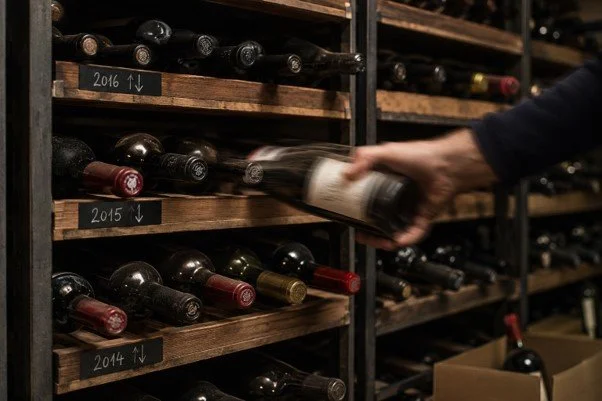
There are examples from across the industry that make you wince - 6,810 wine bottles were destroyed in a single incident in Wisconsin, USA after a wine and bottle storage system failed. The collapse began when one section pulled away, causing connected units to fail in sequence creating a domino-effect failure across the full installation. Using UK hospitality pricing: 6,810 bottles destroyed with say an average bottle value = £9 wholesale, estimated loss: £61,290 direct stock loss but that excludes: labour and clean-up costs, lost sales revenue, insurance excess and operational disruption.
Strategic and quality storage design can directly mitigate risk through better load distribution control, vibration reduction (due to more robust structures and smooth tracks on mobile systems), bay breaks, temperature stability, safe vertical stacking, angled shelving where required and impact resistance.
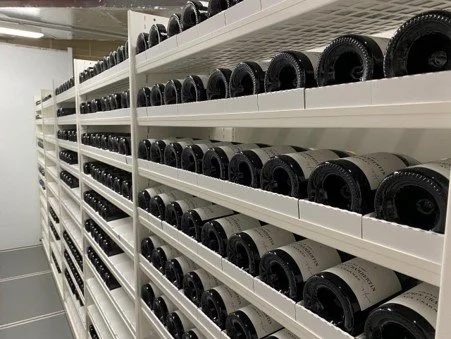
Systems are also increasingly being specified with longevity and accessibility in mind. Operators are looking for systems that improve stock visibility and rotation, maximise usable capacity without compromising bottle integrity, integrate seamlessly with new climate control technologies, future-proof collection storage as portfolios expands, provide robust product protection, support consistent temperature management and integration within broader cold chain logistics and reduce emissions across supply chain, including storage and distribution, to meet regulatory and market expectations. In short, wine storage is becoming part of operational resilience, just as it is across many sectors.
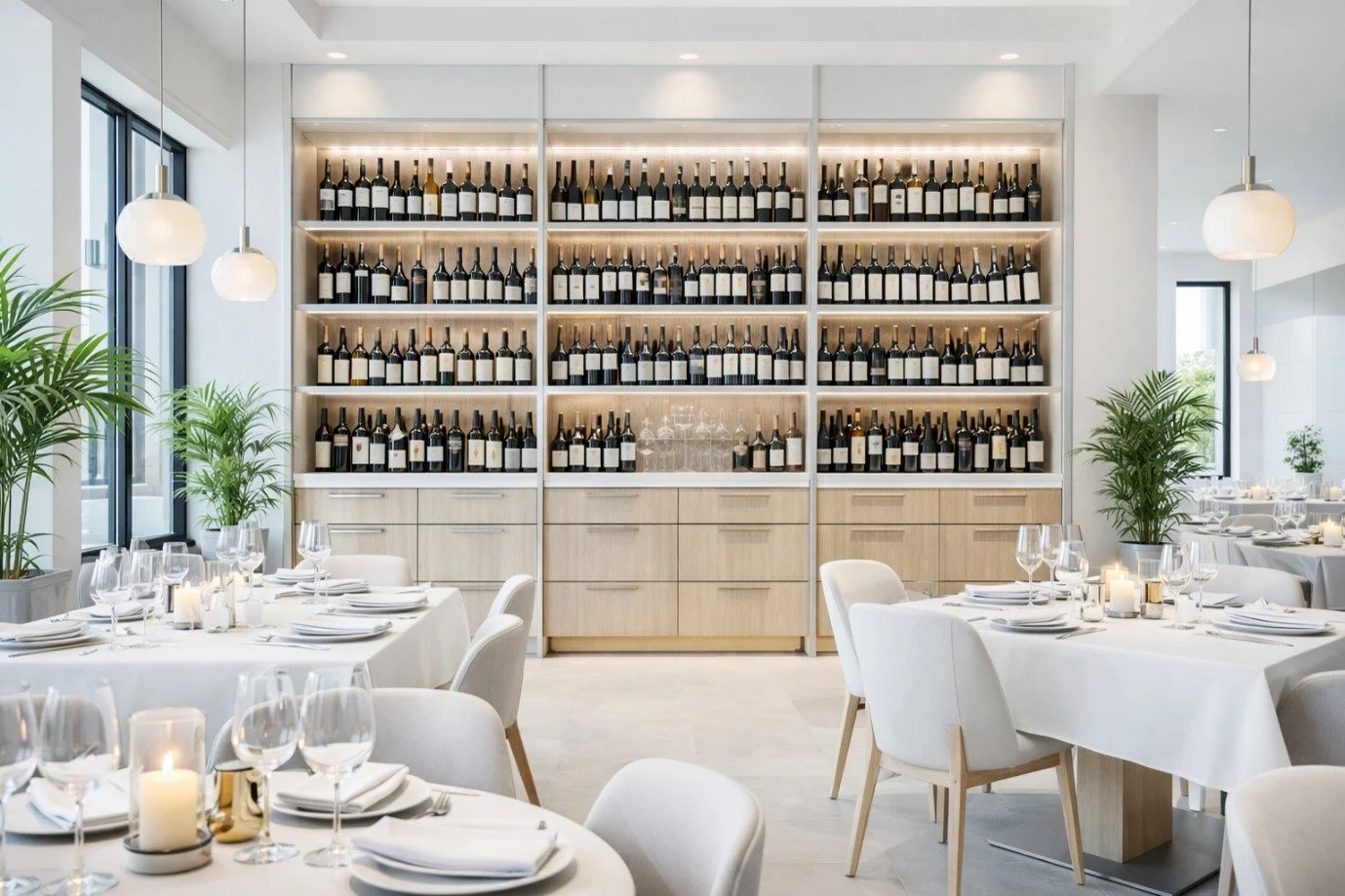
At the same time, front-of-house wine storage is evolving into a powerful brand and revenue driver. Many consumers are drawn to visible authenticity and want a high-end experience. Collections that are curated experiences signal quality, story and identity. A thoughtfully designed wine wall, cellar display or architectural feature can elevate a customer experience and the perceived value, encourage upselling and reinforce a venue’s association with wine expertise. They can differentiate between one seller or venue and another, adding to the exclusivity or craft narrative of their products. Many are also adding educational tasting experiences to their offer, so accessible storage and suitable facilities become a necessity. What was once hidden is now part of the theatre.
Sustainability is also now very much part of the story. The wine sector is rightly focused on vineyard practices, packaging and distribution. The market for organic and biodynamic wine is expanding rapidly as consumers and producers prioritise sustainability, a desire to limit pesticide exposure and support regenerative practices that protect soil and food quality, increase traceability and premiumisation.
But sustainability does not end with production. There is growing scrutiny around all materials, supply chains and product lifespan. Imported storage systems with long transport routes and short replacement cycles are increasingly at odds with hospitality groups’ ESG commitments alone. We are seeing this across many sectors. UK-based manufacturing, responsible material sourcing and long-life modular design offer an alternative, reducing transport emissions while creating systems designed to last decades, not years. Infrastructure choices form part of a venue’s overall environmental footprint. Storage is no exception.
UK‑produced wine is also rapidly gaining market share, both in quality and volume. When paired with organic or biodynamic credentials it creates a powerful narrative of provenance, care and environmental stewardship that appeals to commercial buyers and end consumers alike. Couple this with an equally as strong sustainable supply chain narrative where back and front of house storage is also UK designed and manufactured with greener or more sustainable materials and reduced transport impact, and you have another powerful narrative. It’s a combination that supports premium pricing, enhances shelf and menu differentiation, and makes sustainably stored UK wines especially attractive to retailers, restaurants and collectors seeking traceable, climate‑credible provenance. This presents a clear opportunity for storage manufacturers who can align operational performance with environmental responsibility.
Parallel to commercial demand, private clients are investing more seriously in bespoke storage solutions. As interest in fine wine grows and homes become multi-functional lifestyle and entertainment spaces, collectors are seeking cellars that combine performance, design and craftsmanship. The modern cellar is less about ostentation and more about intelligent, innovative and quality engineering, premium materials and beautiful design, balancing display and lifestyle with preservation and personal values.
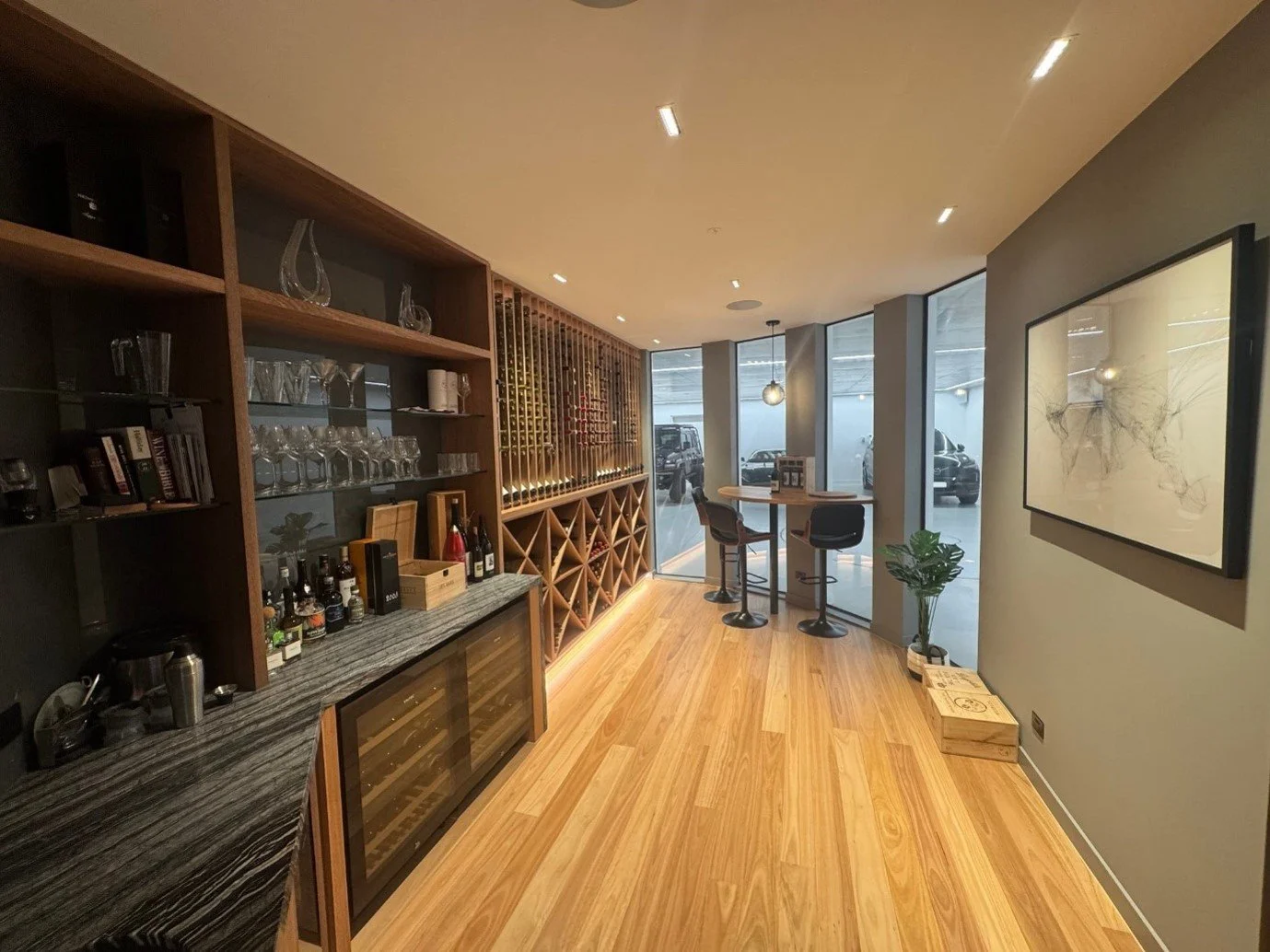
In a sector built on artisan, quality, nature and sustainability, it makes sense that the structures housing and displaying wine should reflect those same values. High-end front-of-house storage demands climate control, design elegance and usability. Well‑organised, climate-controlled and robust back-of-house storage improves inventory accuracy, supports dynamic pricing, and enables more confident purchasing of premium or age‑worthy bottles that appreciate over time, ensuring wines are served or sold in optimal condition, strengthening reputation and repeat sales.
As the wine industry navigates shifting consumption patterns, economic pressure and rising sustainability expectations, every element of the ecosystem is under review. Whether it’s for a volume buyer, boutique retailer, restaurant or a private cellar, those who can deliver the integrated solution of storage + climate + design + sustainability, are providing valuable strategic solutions to several industry issues. Storage may once have been invisible, but it is now a strategic component of the wine ecosystem. For merchants, operators and collectors, investing in quality and sustainable storage is a practical, commercially sound and ethical choice. If you sell, serve or collect wine you need treat storage strategically, and we are here to help.
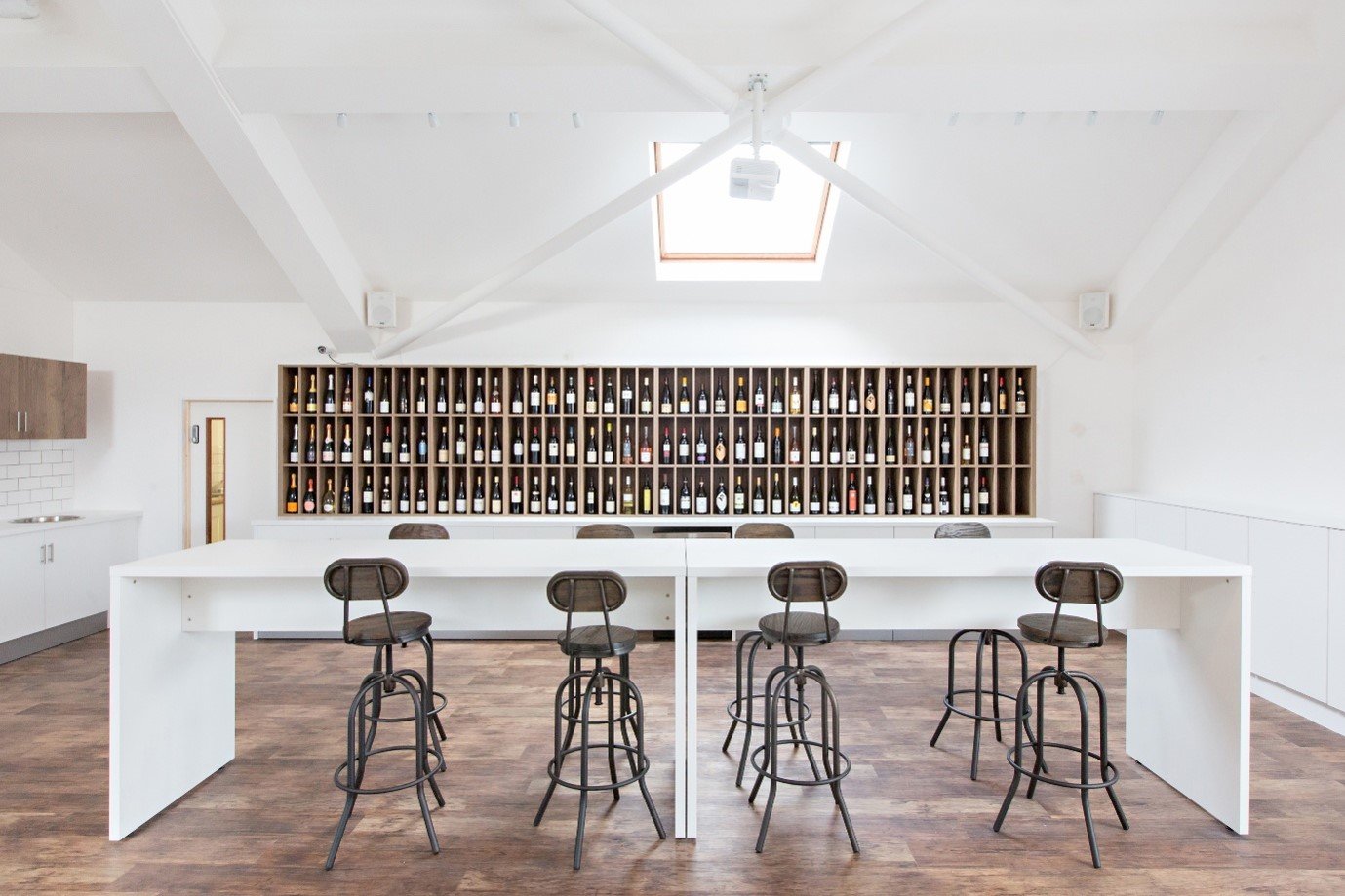
I’ve had some success in this space, working with partners to deliver to some prestigious end users. We can’t help with soil health and vine resilience, market access, trade volatility or tariffs. But Moduflex is ready to partner with both trade and direct clients to deliver bespoke, quality storage that can either add to front-of-house experience or the rigors of back-of-house demands. We can integrate climate control technologies and provide solutions to protect investment, elevate brand and satisfy commercial demands, consumer expectations, sustainability ambitions and insurance and regulatory requirements.
Click below to download our new Wine Storage brochure.
Richard
